
Cosmetic Tattoo Removal in Shellharbour


Request a Complimentary Consultation
Certified laser safety officers
Quanta Q-Plus C Evo
Free consultations and personalised treatment plans
Send us your details and we’ll help you take the next step towards fading or removing unwanted ink.
Thank you for contacting Laserpro Tattoo Removal.
We will get back to you as soon as possible.
Oops, there was an error sending your message.
Please try again later.
Revealing Beautiful Skin
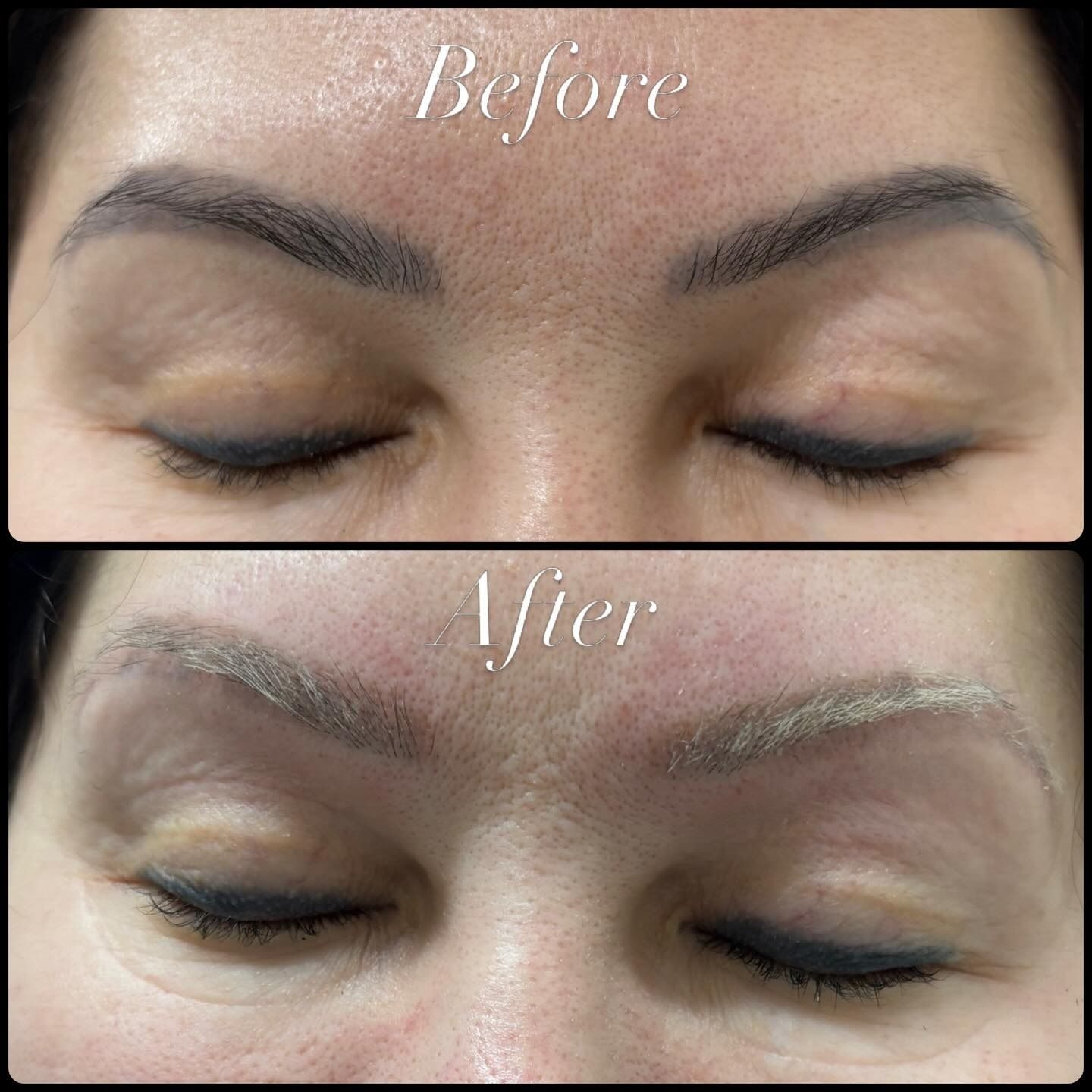
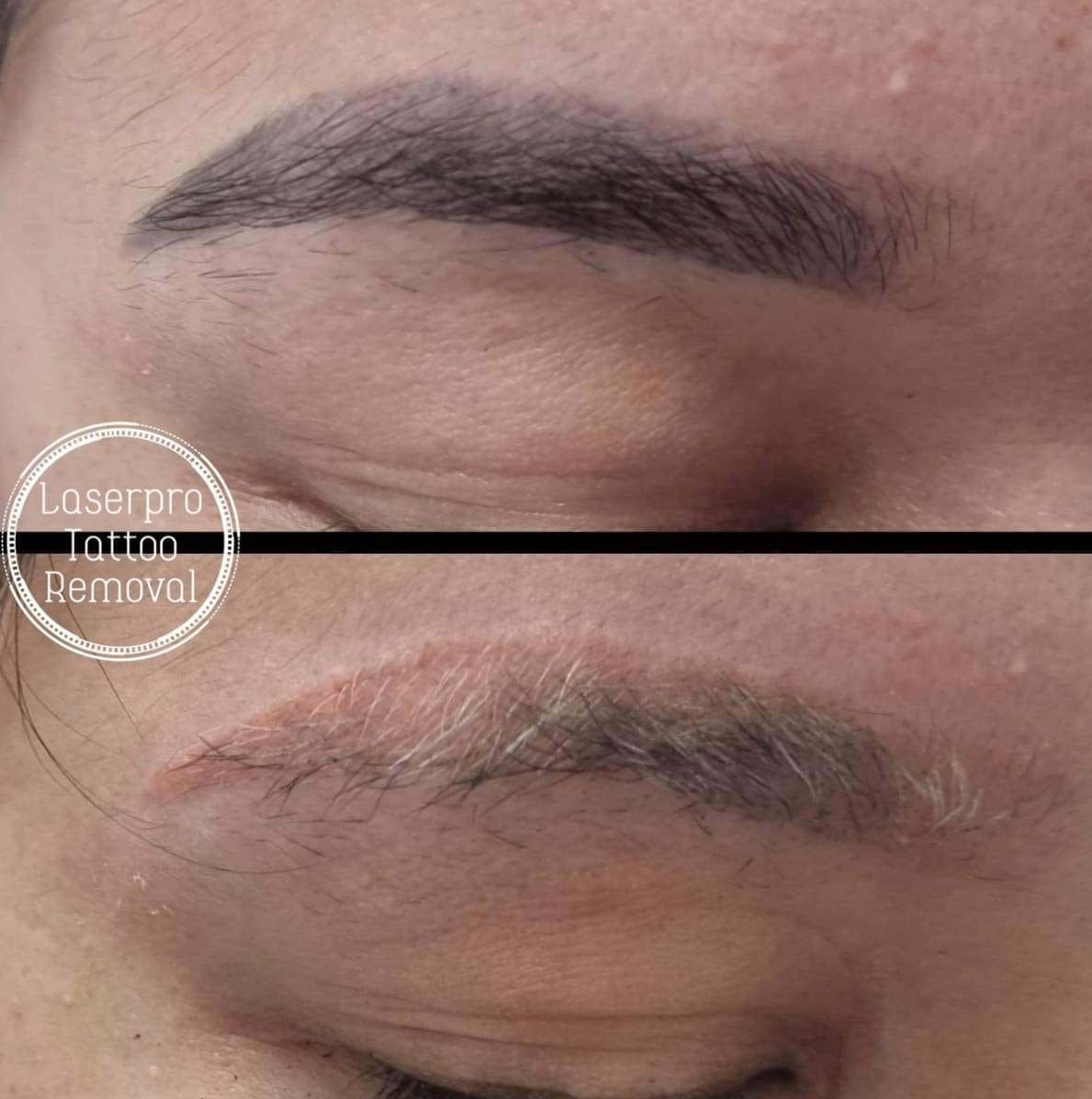
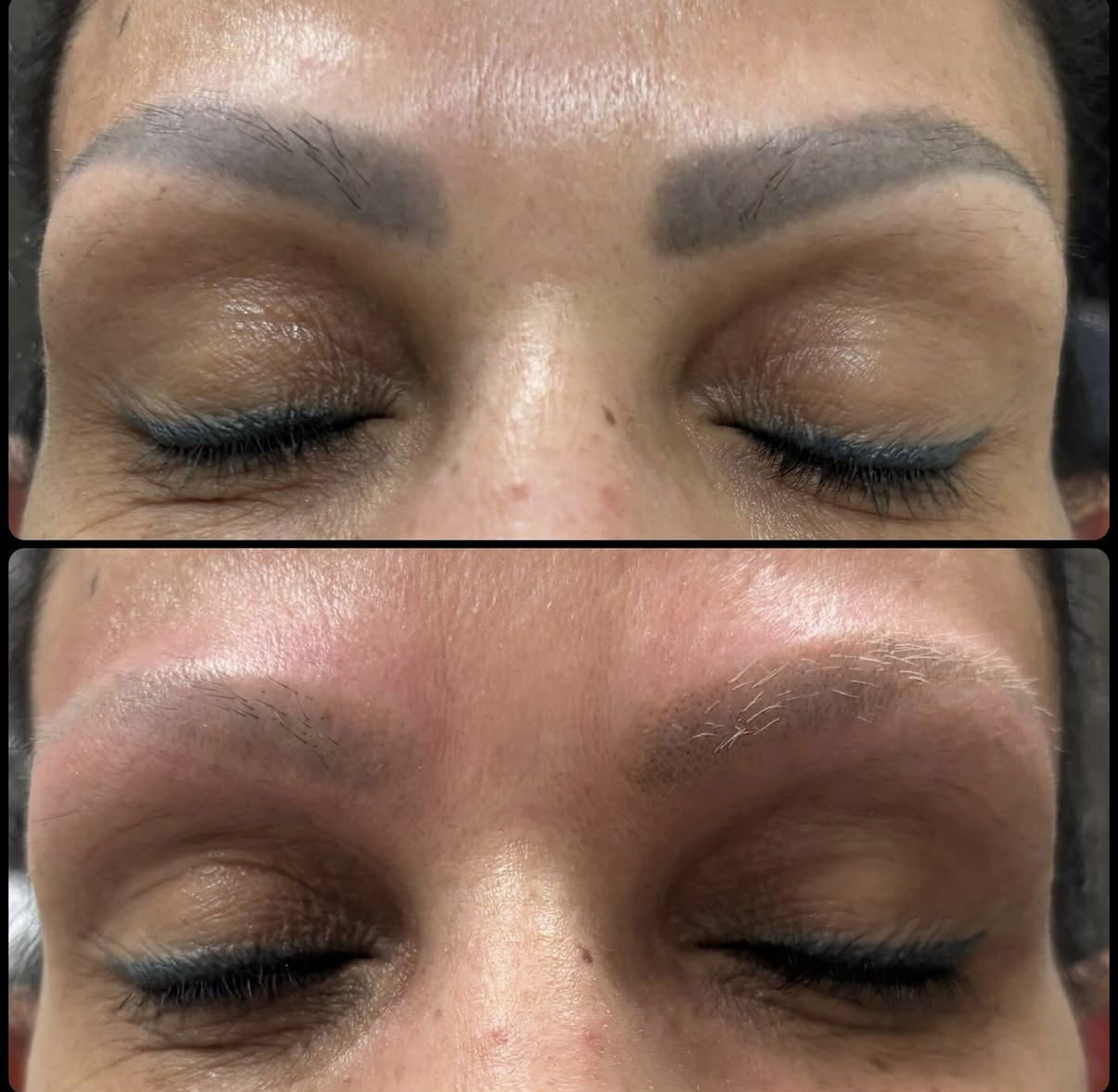
Old cosmetic tattooing can change over time, and sometimes the colour, shape or placement no longer suits the look you want. At Laserpro Tattoo Removal in Shellharbour, we offer cosmetic tattoo removal for clients who want to fade or remove unwanted pigment from areas such as the eyebrows and around the lips. Whether your cosmetic tattoo has turned an unwanted tone, looks too heavy, sits unevenly or simply no longer feels like you, we can assess the area and talk you through what may be possible.
We use Q-Switched laser technology to target unwanted pigment while taking care around delicate facial areas. Every treatment plan is different, so we consider the pigment colour, depth, age of the cosmetic tattoo, skin type and treatment area before recommending the next step.
If you’re ready to refresh your look or correct old cosmetic tattooing, call us on (02) 4296 0604 to book a free consultation.
Gentle Care After Cosmetic Removal
Cosmetic tattoo removal is not just about fading unwanted pigment. It is also about supporting the skin through the treatment process, especially when working on visible and sensitive areas of the face. We take a careful, considered approach to treatment and provide aftercare guidance to help reduce irritation, support healing and protect the treated area between sessions.
After cosmetic tattoo removal, it is important to keep the area clean and avoid exposing it to unnecessary bacteria. Gently washing with mild soap and warm water, keeping the skin moisturised and following the recommended aftercare advice can help reduce dryness, itching or discomfort. In some cases, an appropriate antibiotic cream or ointment may be recommended to help minimise the risk of infection or irritation. We can also discuss related skin treatments, including skin resurfacing, collagen stimulation, skin rejuvenation therapy and acne scar treatments, where suitable.
Cosmetic tattoo removal takes patience, but the right advice makes the process feel much clearer. Reach out to us to discuss your skin, your goals and the best next step for your treatment.
Frequently Asked Questions
Can cosmetic tattooing be removed with laser?
Yes, many cosmetic tattoos can be faded or removed with laser treatment, depending on the type of pigment used, how deep it sits in the skin, the colour of the pigment and how the skin responds.
Cosmetic tattooing is often different from body tattooing because it may use different pigment blends and is commonly placed on more delicate areas of the face, such as the eyebrows or lips. This means treatment needs to be carefully assessed before starting. A consultation helps determine whether laser treatment is suitable and what kind of result may be realistic.
How many sessions does eyebrow tattoo removal take?
The number of sessions needed for eyebrow tattoo removal varies from person to person. Some cosmetic eyebrow tattoos fade noticeably after a small number of treatments, while others need several sessions.
Factors such as pigment colour, age of the tattoo, depth of pigment, previous touch-ups and skin type can all influence the process. Treatments are usually spaced several weeks apart to allow the skin time to heal and the body time to process the pigment. A consultation is the best way to get a clearer idea of expected timing.
Is cosmetic tattoo removal painful?
Cosmetic tattoo removal can cause some discomfort, but the feeling is usually brief and manageable. Many people describe laser tattoo removal as a quick snapping or heat-like sensation on the skin. Because cosmetic tattooing is often on sensitive areas of the face, treatment is approached carefully and only after the area has been properly assessed.
After treatment, the skin may feel warm, tender or slightly irritated for a short time. Following aftercare instructions can help reduce discomfort and support healing.


